Import task or delivery details
Input all the necessary details for each task or delivery into the planning system. This includes information such as deadlines, resources required, dependencies, and any specific instructions or constraints.
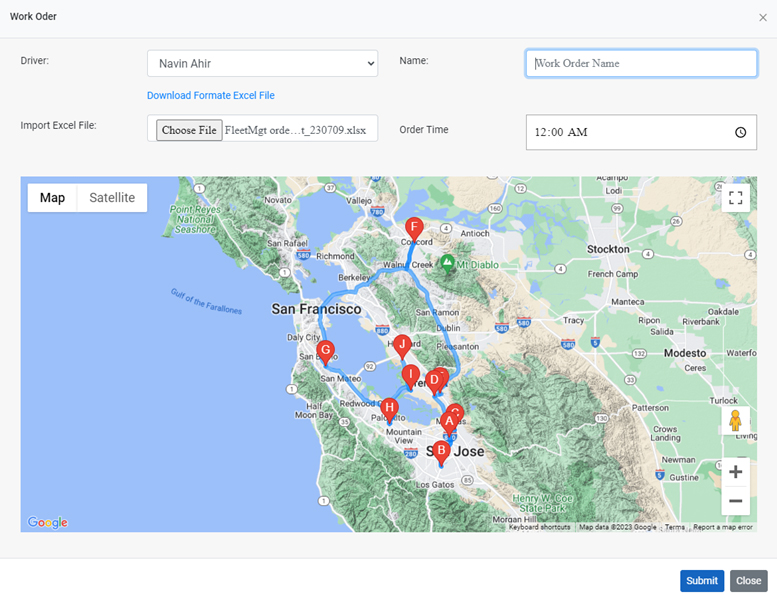
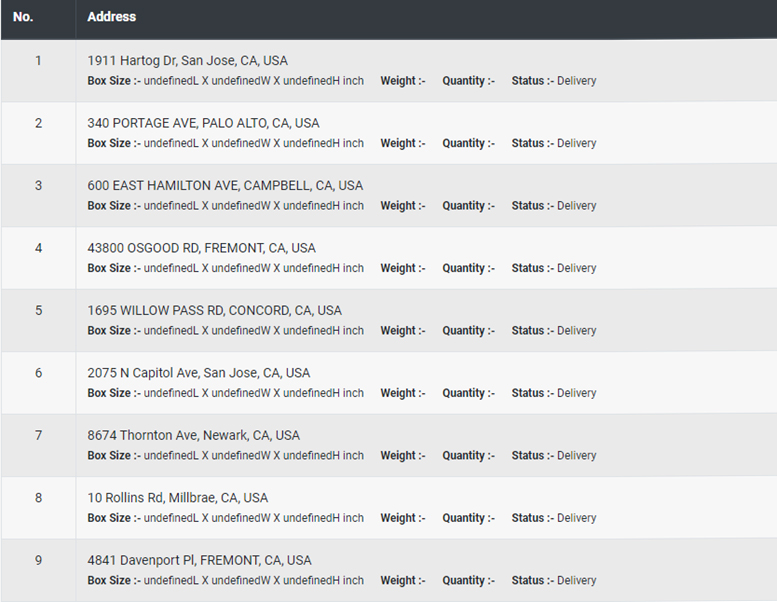
Automated scheduling
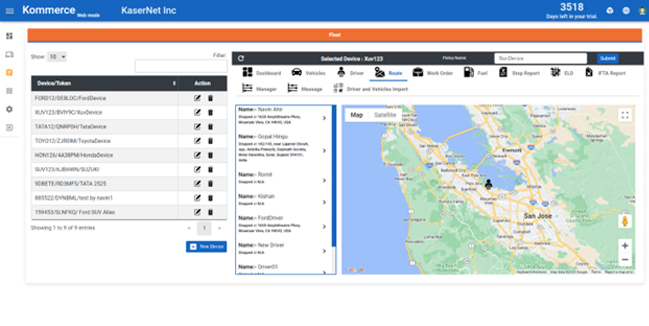
Utilize the capabilities of the planning system to automatically schedule tasks or deliveries based on predefined rules, priorities, and available resources. The system should optimize the schedule to minimize conflicts, optimize routes, or balance workload
Automated updates
Set up triggers or rules within the planning system to automatically update the schedule when unforeseen changes occur. This could include factors like delays, cancellations, resource unavailability, or changes in priorities. The system should detect these changes and adjust the schedule accordingly, considering dependencies and constraints.
Actual routes
Actual routes represent the paths that drivers take in reality when executing their deliveries or services.
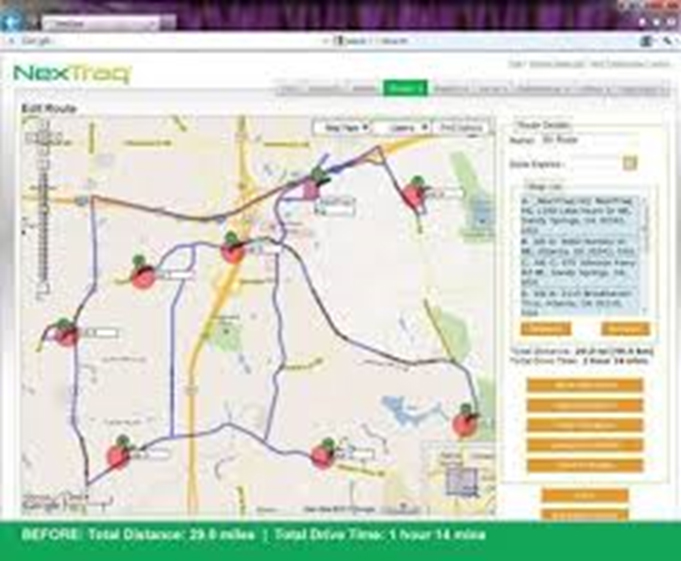
Deviations: Comparing actual routes to planned routes can highlight deviations, such as drivers taking alternative paths, making unscheduled stops, or encountering unforeseen obstacles.
Insights and improvements: Analyzing these deviations helps identify inefficiencies, bottlenecks, or areas where the planned routes can be improved. It allows for adjustments to optimize future routes and minimize deviations.
Long-haul routing
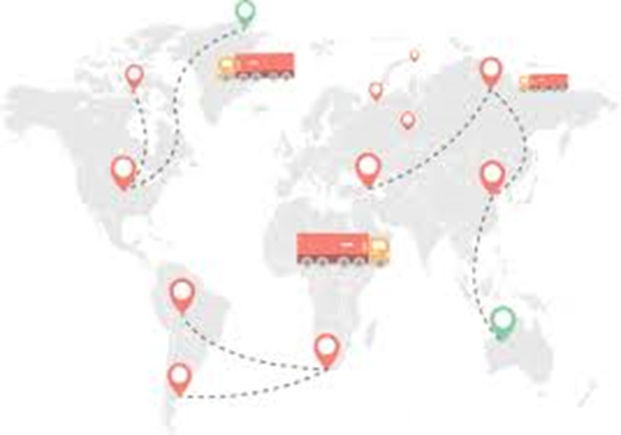
Multi-day long-haul routes refer to transportation routes that span multiple days and cover long distances. These routes are commonly used in logistics and transportation industries, such as trucking, shipping, or freight services. Here are some considerations and key factors involved in managing multi-day long-haul routes:
Route Planning
-
- Optimal route selection: Identify the most efficient and cost-effective routes considering factors like distance, road conditions, traffic patterns, tolls, and regulations.
- Rest areas and amenities: Plan for suitable rest areas, truck stops, or accommodations along the route to ensure drivers can rest, refuel, and meet regulatory requirements for breaks.
- Time management: Account for estimated travel times, including potential delays, to ensure timely delivery and adherence to schedules.
-
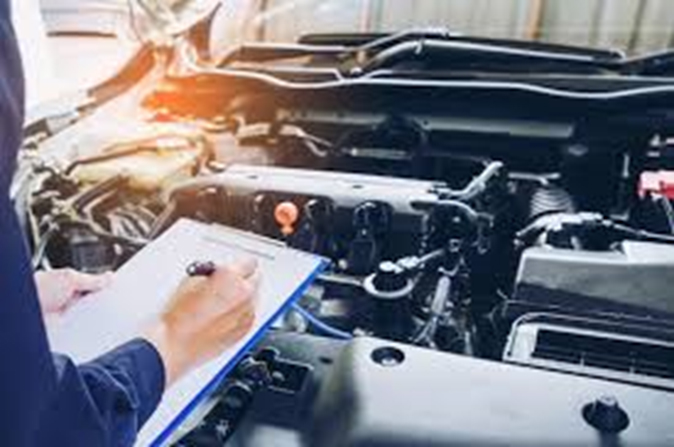
- Regular inspections: Conduct routine vehicle inspections, including pre-trip and post-trip checks, to ensure roadworthiness and address any maintenance issues promptly.
Communication and Tracking
-
- Real-time tracking: Utilize GPS or telematics systems to monitor the location, progress, and conditions of vehicles in real time. This helps optimize route efficiency, address unforeseen events, and provide accurate delivery updates to stakeholders.
- Communication channels: Establish reliable communication channels between drivers, dispatchers, and other relevant parties to facilitate updates, address issues, and ensure effective coordination throughout the journey.
Customer Service and Support:
Customer updates: Provide regular updates to customers regarding the progress of their shipments, expected delivery times, and any unforeseen delays or issues.
Customer support: Establish a dedicated customer support system to address inquiries, resolve issues, and provide assistance throughout the multi-day long-haul routes.
Efficient Vehicle Maintenance:
- Regular maintenance: Implement a proactive maintenance program to ensure vehicles are properly maintained, including regular engine tune-ups, tire maintenance, and fluid checks. Well-maintained vehicles operate more efficiently and consume less fuel.
- Proper tire inflation: Monitor and maintain proper tire pressure, as underinflated tires can significantly increase fuel consumption. Regularly inspect and inflate tires to the manufacturer’s recommended pressure levels.