In today’s fast-paced logistics and transportation industry, efficiency is the cornerstone of success. With rising demand for timely deliveries, cost reductions, and eco-friendly operations, innovative technologies like mAIrouting are revolutionizing how fleets operate. But what exactly is mAIrouting, and how does it impact the industry? Let’s explore this cutting-edge solution in detail.
Understanding mAIrouting
mAIrouting, short for Machine Learning-Assisted Intelligent Routing, is an advanced routing system designed to optimize fleet operations using artificial intelligence (AI) and machine learning (ML). It combines real-time data, predictive analytics, and intelligent algorithms to ensure that vehicles take the most efficient and cost-effective routes.
At its core, mAIrouting is not just about finding the shortest path—it’s about balancing multiple variables like traffic conditions, fuel efficiency, delivery schedules, and even weather patterns to create an optimal route for every journey.
The Core Features of mAIrouting
- AI-Powered Route Optimization
mAIrouting uses AI to analyze vast datasets in real time, including traffic flow, road closures, and vehicle performance metrics. This ensures that drivers are guided through the best possible routes tailored to their specific needs. - Dynamic Traffic Updates
Traditional navigation systems may struggle with sudden changes, like accidents or unexpected construction zones. mAIrouting dynamically adjusts routes as new traffic data becomes available, preventing delays. - Integration with Fleet Management Systems
mAIrouting integrates seamlessly with fleet management platforms, allowing fleet managers to track vehicles, monitor delivery progress, and make data-driven decisions. - Predictive Analytics
By analyzing historical data and patterns, mAIrouting can predict potential challenges, such as peak traffic hours or weather disruptions, and plan accordingly. - Environmental Sustainability
With a focus on fuel efficiency, mAIrouting reduces emissions by optimizing routes for minimal fuel consumption, making it an eco-friendly choice.
How Does mAIrouting Work?
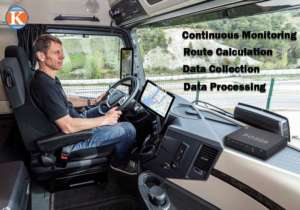
mAIrouting combines several advanced technologies to deliver its impressive capabilities:
- Data Collection
The system gathers data from various sources, including GPS devices, traffic monitoring systems, weather services, and onboard vehicle sensors. - Data Processing
AI algorithms process this data in real time, identifying patterns, potential risks, and opportunities for optimization. - Route Calculation
The system uses machine learning models to evaluate all possible routes and select the one that best meets the desired criteria, such as delivery time, fuel efficiency, or cost reduction. - Continuous Monitoring
mAIrouting doesn’t stop once a route is selected. It continuously monitors conditions and adapts the route if necessary, ensuring drivers always have the best possible path forward.
Benefits of mAIrouting
- Increased Operational Efficiency
With mAIrouting, fleet operators can significantly reduce time spent on the road by avoiding traffic congestion and unnecessary detours. This leads to faster deliveries and happier customers. - Cost Savings
Optimized routes reduce fuel consumption and vehicle wear and tear, leading to significant cost savings for fleet operators. By improving overall efficiency, mAIrouting can help companies lower operational expenses. - Enhanced Driver Satisfaction
Drivers benefit from clear, reliable routes that minimize frustration caused by delays or unpredictable road conditions. This leads to a better work experience and increased job satisfaction. - Improved Customer Experience
Timely deliveries and accurate Estimated Time of Arrival (ETA) predictions ensure customer satisfaction. Real-time tracking also provides customers with updates, enhancing transparency and trust. - Sustainability and Environmental Impact
By optimizing routes for minimal fuel use, mAIrouting contributes to reducing greenhouse gas emissions, helping fleets meet sustainability goals.
Applications of mAIrouting in Fleet Management
- Last-Mile Delivery
The last mile is often the most challenging and expensive part of the delivery process. mAIrouting helps overcome these challenges by selecting the most efficient paths, even in urban environments with complex traffic patterns. - Long-Haul Freight
For long-haul trucking operations, mAIrouting considers factors like highway tolls, fuel stops, and rest areas to create routes that are both cost-effective and compliant with driver Hours of Service (HOS) regulations. - Emergency Services
Emergency responders, such as ambulances and fire trucks, use mAIrouting to navigate quickly and safely to their destinations, saving lives in critical situations. - Public Transport Systems
Public buses and transit operators utilize mAIrouting to ensure schedules are met while minimizing delays caused by traffic congestion.
The Role of Machine Learning in mAIrouting
Machine learning is the backbone of mAIrouting, enabling the system to continually improve its performance. Here’s how it works:
- Learning from Historical Data: Machine learning models analyze past trips to identify recurring patterns, such as peak traffic times or frequently congested areas.
- Adapting to New Data: As new data becomes available, the system updates its predictions and recommendations, becoming smarter over time.
- Personalized Recommendations: mAIrouting can learn the unique preferences of drivers or specific fleet requirements, offering tailored route suggestions.
Why is mAIrouting a Game-Changer for Businesses?
For businesses operating fleets, mAIrouting offers a competitive edge in an industry where time and cost efficiency are paramount. With its ability to deliver real-time solutions to complex routing challenges, mAIrouting enables businesses to:
- Scale Operations: Handle larger volumes of deliveries without compromising efficiency.
- Reduce Human Error: Automated systems eliminate the risks associated with manual route planning.
- Gain Actionable Insights: Data-driven insights from mAIrouting help businesses identify areas for improvement in their operations.
Challenges in Implementing mAIrouting
Despite its numerous benefits, adopting mAIrouting does come with some challenges:
- Initial Investment
Implementing an mAIrouting system requires upfront costs for hardware, software, and integration with existing systems. - Training Requirements
Drivers and fleet managers need training to fully utilize the capabilities of mAIrouting. - Dependence on Data Quality
The effectiveness of mAIrouting relies on the accuracy and timeliness of the data it processes. - Compatibility Issues
Ensuring that mAIrouting integrates seamlessly with legacy systems can be a technical hurdle for some businesses.
The Future of mAIrouting
The future of mAIrouting is bright, with advancements in AI and IoT (Internet of Things) promising even more capabilities:
- Autonomous Vehicles
mAIrouting will play a critical role in guiding autonomous fleets, ensuring safe and efficient navigation. - Enhanced Predictive Capabilities
Future versions of mAIrouting may predict traffic patterns hours or even days in advance, enabling more proactive route planning. - Integration with Smart Cities
As cities become smarter, mAIrouting will tap into infrastructure data like smart traffic lights and connected roadways to further improve efficiency.
Conclusion
mAIrouting represents a significant leap forward in fleet management, combining AI and machine learning to deliver smarter, more efficient routing solutions. By optimizing routes in real time and providing actionable insights, it empowers businesses to reduce costs, improve customer satisfaction, and achieve sustainability goals. While challenges exist, the benefits of mAIrouting far outweigh its limitations, making it an indispensable tool for modern fleet operations.